Setting up a home for recovery or long-term care often comes down to more than arranging a caregiver — the right equipment matters just as much. Getting it wrong, or skipping something the patient actually needs, can slow recovery or create safety risks that are easy to avoid.
Common Equipment Used in Home Care
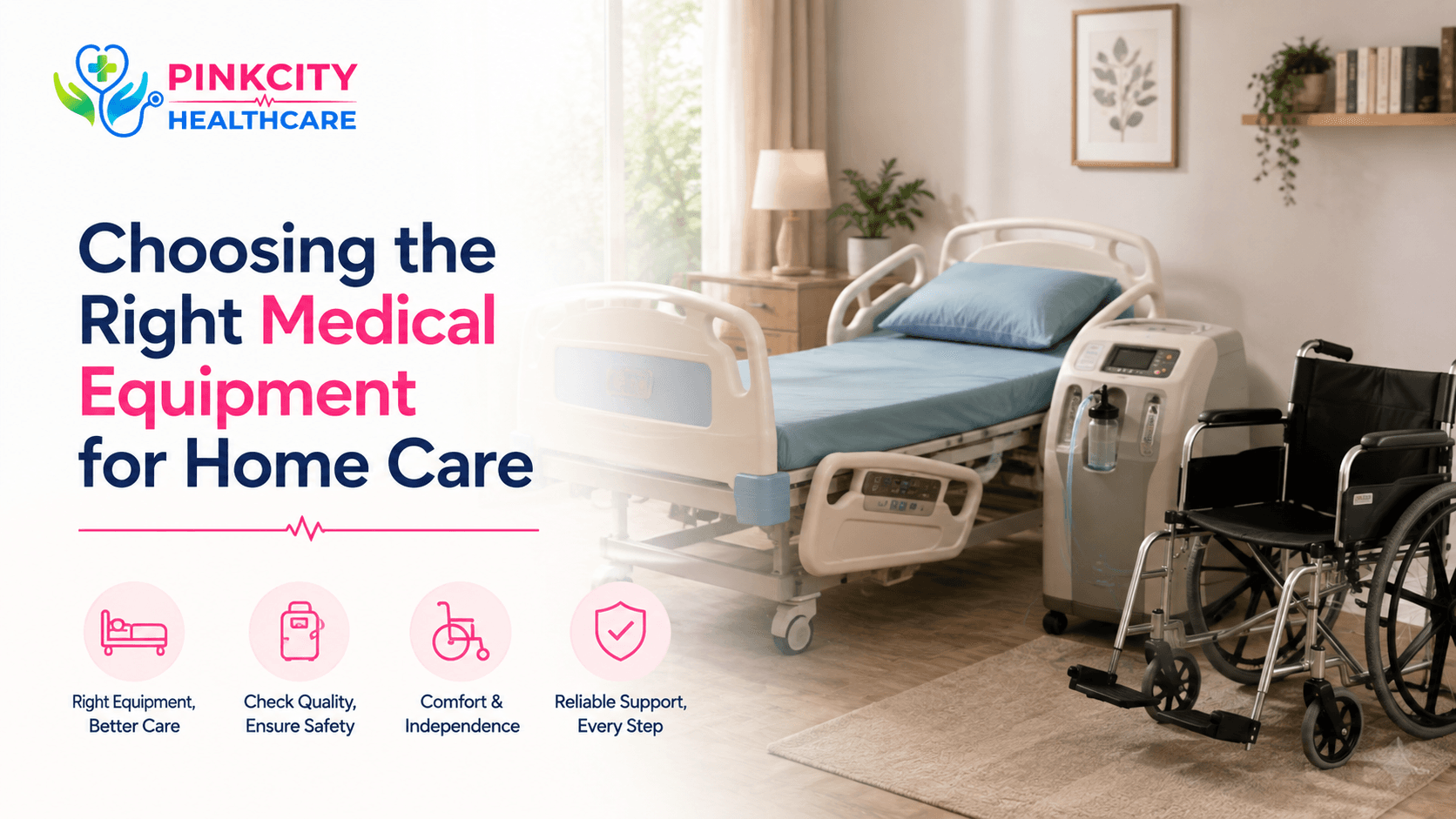
- Hospital beds — for positioning, pressure relief, and easier caregiving
- Oxygen concentrators — for patients prescribed home oxygen therapy
- Wheelchairs and walkers — for safe mobility during recovery
- Patient monitors — for tracking vitals like heart rate and oxygen levels
- Pressure-relief mattresses and cushions — especially for bedridden or low-mobility patients
How to Know What You Actually Need
The starting point should always be your doctor's or discharging hospital's recommendation, not a guess based on what seems useful. A treating physician's guidance on mobility level, oxygen requirements, and expected recovery timeline determines what equipment actually belongs in the home — renting more than that just adds clutter and cost.
“Families sometimes over-order out of caution, or under-order because they didn't realize a hospital bed would make caregiving so much easier. A quick conversation before delivery day saves both problems.”
What to Check Before Renting Equipment
- Is the equipment cleaned, checked, and functioning before it reaches your home?
- Does the rental include delivery, setup, and a usage demonstration?
- Can the rental period be extended if recovery takes longer than expected?
- What's the process if something malfunctions mid-rental?
- Is there ongoing support available for questions between visits?
Set up the space before the equipment arrives
Clear enough room around the bed for a caregiver to move on both sides, confirm a nearby power outlet for anything electrical, and keep the area easy to clean — small preparation that makes daily care noticeably easier.
If you're setting up a home for recovery or ongoing care, it's worth arranging equipment alongside your caregiving plan — not as an afterthought once the patient is already home.