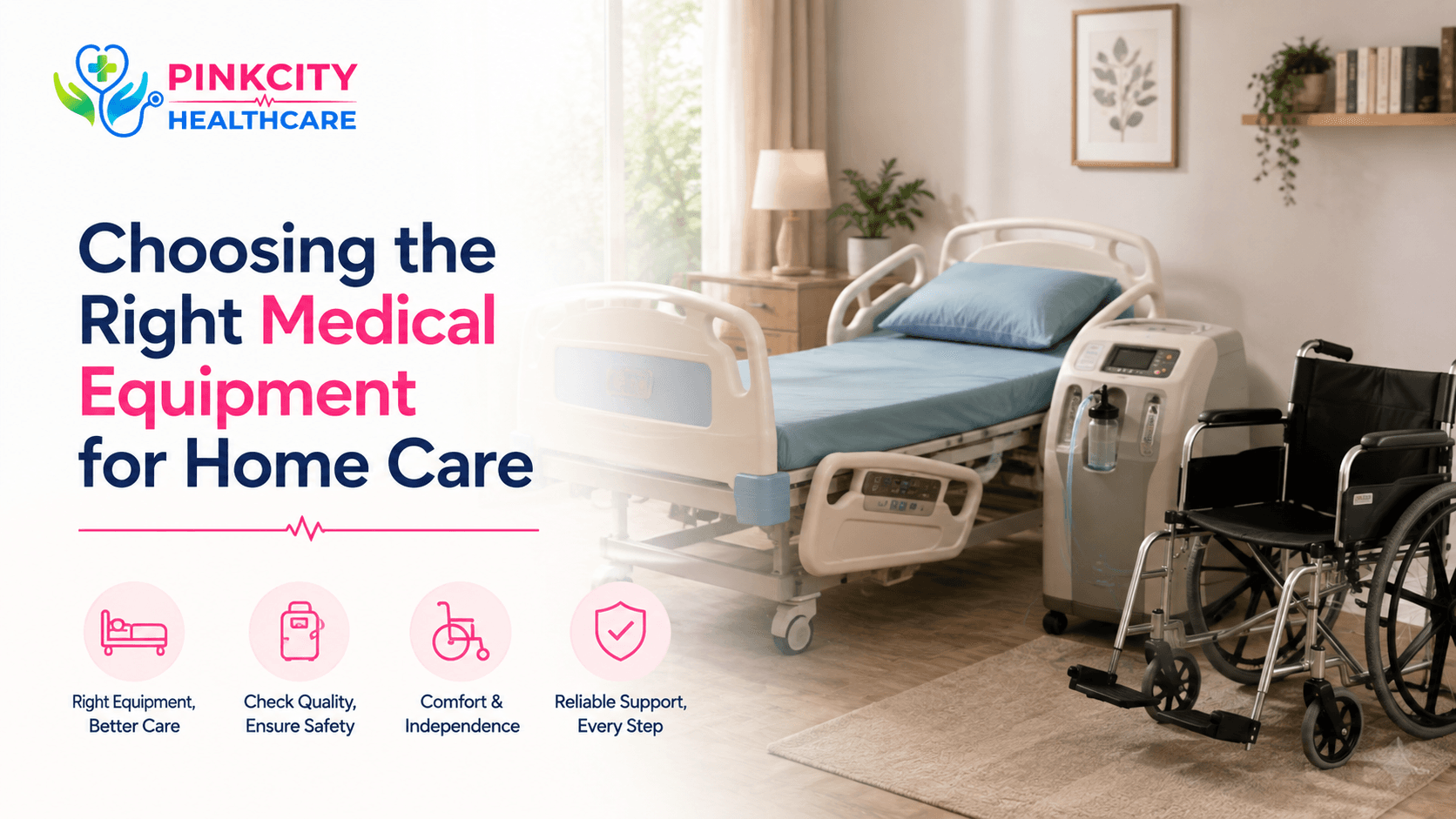

Recovering from surgery in a hospital bed and recovering at home are very different experiences — and for many patients, home turns out to be the better environment, provided the right nursing support comes with it.
Why Recovery at Home Works Better for Many Patients
- Lower exposure to hospital-acquired infections
- More restful, uninterrupted sleep in a familiar bed
- Family involved in day-to-day care and decisions
- A familiar environment that reduces stress and anxiety, which itself supports healing
What a Home Nursing Recovery Plan Typically Includes
- Regular vital sign monitoring
- Wound dressing changes and infection checks
- Medication administration, on schedule
- Guided, safe mobility support to avoid re-injury
- Direct coordination with the operating surgeon's instructions
When to call your surgeon immediately
Fever, spreading redness around the incision, unusual drainage, or sudden severe pain are signs to contact your surgeon right away — a home nurse will flag these, but the family should know them too.
How Long Does Home Nursing Support Usually Last?
This varies a lot by procedure and by patient. As a general guide only — every recovery plan should come from your surgeon, not a table on the internet:
| Surgery Type | Typical Home Nursing Duration |
|---|---|
| Orthopedic (knee / hip) | 2–4 weeks |
| Abdominal surgery | 1–3 weeks |
| Cardiac surgery | 3–6 weeks |
| Minor procedures | 3–7 days |
If your family is planning a recovery at home after an upcoming surgery, it's worth arranging nursing support before discharge day rather than scrambling afterward.